
Call Us
6733 8810

Blog
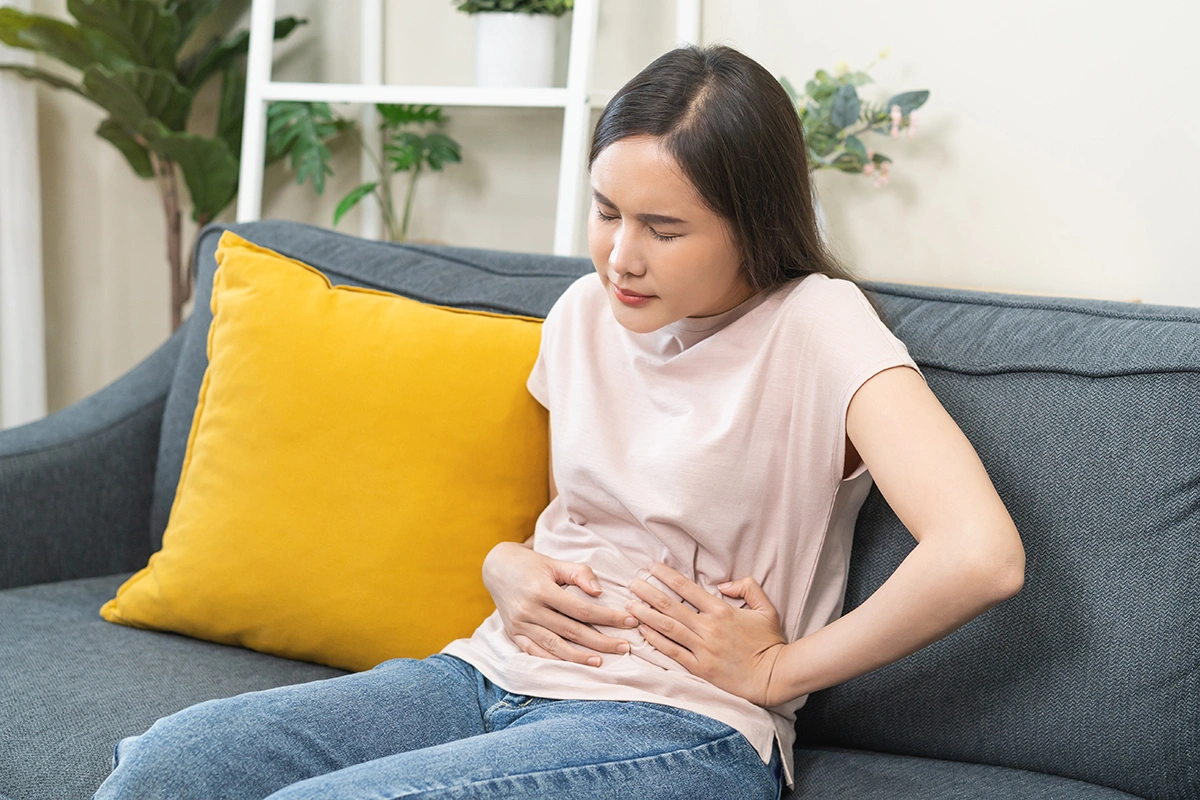

When it comes to women’s reproductive health,endometriosis and ovarian cysts are two conditions that are frequently mistaken for one another. Both can affect the ovaries and may produce similar symptoms such as pelvic discomfort, bloating or changes in menstrual patterns. Because of these overlaps, it can be difficult to tell what may be causing your symptoms. Understanding the differences between endometriosis and ovarian cysts may help you recognise when symptoms should not be ignored and when it may be worth seeking medical advice.
Although endometriosis and ovarian cysts are separate conditions, there can be a connection between them.
Some women with endometriosis develop a specific type of ovarian cyst known as an endometrioma. These are commonly called "chocolate cysts" because they contain old, darkened blood that has collected over time. They develop when tissue associated with endometriosis grows within or on the ovaries.
However, not all ovarian cysts are caused by endometriosis. Many cysts form naturally during the menstrual cycle and disappear without treatment. Likewise, having endometriosis does not necessarily mean you will develop ovarian cysts.
Endometriosis is a long-term condition where tissue similar to the lining of the uterus grows outside the womb. It may affect the ovaries, fallopian tubes, pelvic lining and other nearby structures.
Like the tissue inside the uterus, these growths can still respond to hormonal changes during the menstrual cycle. They may thicken and bleed each month, but unlike menstrual blood, there is no natural pathway for the tissue to leave the body.
Over time, this process may lead to inflammation, scarring and adhesions. Adhesions are bands of scar tissue that can cause tissues or organs within the pelvis to stick together, potentially contributing to pain and other symptoms.
If you have endometriosis, you may experience:
Symptoms can vary significantly from person to person. Some women experience severe symptoms, while others may have minimal discomfort despite more extensive disease.
Diagnosing endometriosis is not always straightforward because its symptoms can resemble other conditions.
Depending on your symptoms and medical history, a gynaecologist may recommend:
Treatment is often focused on symptom relief, improving quality of life and addressing fertility concerns where relevant.
Options may include:
An ovarian cyst is a fluid-filled sac that develops within or on the surface of an ovary. Ovarian cysts are relatively common and many women may develop one at some stage of their lives.
Most are functional cysts, which form naturally during the menstrual cycle and often resolve without treatment. Other types, such as dermoid cysts and cystadenomas, arise differently and may require further assessment depending on their appearance, size and symptoms.
Many ovarian cysts cause no noticeable symptoms and are discovered incidentally during examinations or scans.
If a cyst enlarges or causes complications, you may notice:
Treatments depend on factors such as the type of cyst, its size and whether symptoms are present.
Management options may include:
Although many ovarian cysts are harmless, complications can occasionally occur.
Mild menstrual discomfort is common, but some symptoms should not be brushed aside, especially when they begin interfering with daily life.
Consider arranging an assessment if you experience:
Early assessment may help identify the underlying cause and allow treatment to begin before symptoms become more difficult to manage.
Pelvic discomfort, menstrual changes and unexplained symptoms can be frustrating to live with, especially when you are unsure what may be causing them. Although endometriosis and ovarian cysts can share similar features, understanding how they differ may make it easier to recognise when something feels out of the ordinary.
At GynaeMD, an ovarian cyst clinic in Singapore, assessment and treatment planning are led by Dr Christopher Ng, with recommendations tailored according to each patient's symptoms, reproductive goals and individual concerns. Whether you are experiencing ongoing pelvic symptoms, have concerns about ovarian cysts or would like greater clarity about your reproductive health, schedule a consultation to discuss the next steps for your care.
Dr Christopher Ng
Consultant Obstetrician & Gynaecologist in Singapore
MBBS (Imperial College, UK), MMed (O&G) (S’pore)
FRANZCOG (Aust-NZ), FAMS (O&G) (S’pore)
Dr Christopher Ng is a senior obstetrician and gynaecologist with extensive experience in both routine and complex women’s health conditions. He received training in Obstetrics, Gynaecology and General Surgery at Singapore General Hospital, Tan Tock Seng Hospital and KK Women’s & Children’s Hospital. In addition, he has also completed a clinical attachment at the Mayo Clinic in Rochester, USA under Dr John Donohue.


Have you noticed symptoms of an ovarian cyst? Let us help you.
