
Call Us
6733 8810

Blog
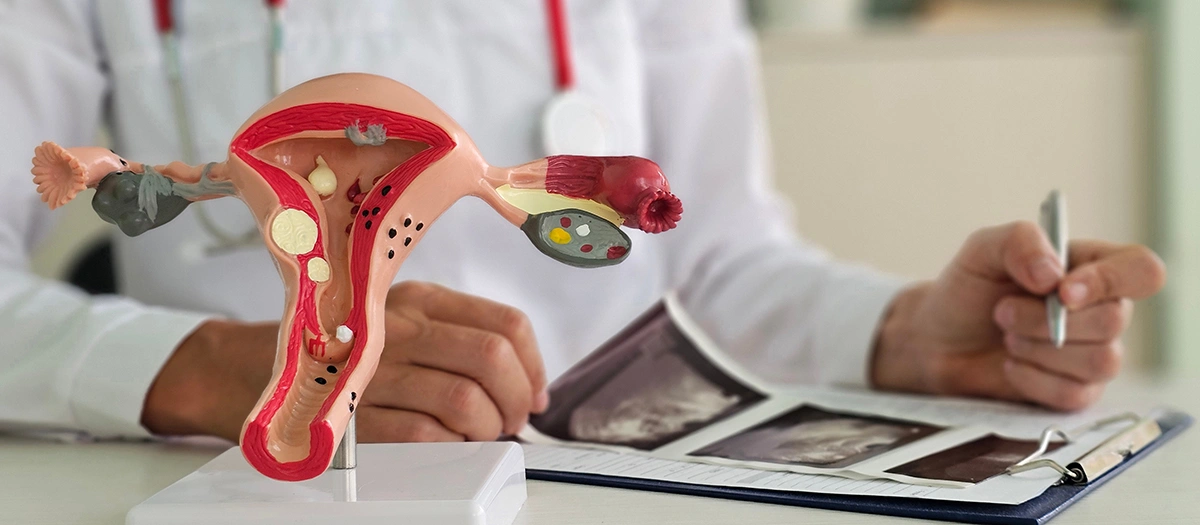

Being told that you have an ovarian cyst can naturally raise questions and concerns, particularly when unfamiliar medical terms begin to appear during consultations or scan results. One distinction that is often made is whether a cyst is classified as functional or non-functional. While both types develop within or on the ovaries, they differ in how they form, their potential causes and how they may be managed. Understanding the differences between these two categories can help provide greater clarity and support more informed discussions about your diagnosis and next steps.
Functional ovarian cysts are the most common type and usually develop as part of the menstrual cycle. Each month, the ovaries produce small sacs called follicles, which contain eggs and help produce hormones such as oestrogen and progesterone. During ovulation, a mature follicle normally releases an egg before shrinking naturally.
However, this process does not always occur as expected. Sometimes the follicle does not release an egg, while in other situations the follicle may not break down after ovulation. These changes can lead to the development of functional ovarian cysts.
The two main types of functional ovarian cysts are:
A follicular cyst develops when the follicle does not rupture and release an egg during ovulation. Instead, the follicle continues collecting fluid and gradually enlarges.
These cysts are often small and commonly cause few or no symptoms. In many cases, they resolve naturally within several weeks or months without treatment.
A corpus luteum cyst may form after ovulation when the follicle that released the egg closes and fluid becomes trapped inside. Most are harmless and often resolve on their own. Some women may experience symptoms such as pelvic discomfort, mild bloating or pain affecting one side of the lower abdomen.
Non-functional ovarian cysts, sometimes called pathological cysts, are unrelated to the menstrual cycle. They develop because of changes in ovarian tissue and can occur at different stages of life, including after menopause.
Unlike functional cysts, these cysts may require closer observation or ovarian cyst treatment, depending on their size, symptoms and imaging characteristics.
Common types include:
Dermoid cysts develop from germ cells that are present in the ovaries from birth and can develop into different tissue types. As a result, these cysts may contain structures such as hair, skin, fat, teeth or bone. Although they are typically benign, larger dermoid cysts may increase the risk of complications such as ovarian torsion or rupture.
Endometriomas, also known as chocolate cysts, occur in women with endometriosis. They develop when tissue similar to the uterine lining grows on the ovaries and gradually fills with old blood, creating a dark brown appearance. These cysts may cause pelvic discomfort, painful periods and fertility concerns in some women.
Cystadenomas arise from cells on the outer surface of the ovary. They may contain watery fluid, known as serous cystadenomas, or thicker mucus-like material known as mucinous cystadenomas. Although they are generally benign, they can sometimes grow large enough to cause abdominal fullness, pressure or discomfort.
Ovarian cysts can develop during pregnancy and are often discovered incidentally during routine antenatal ultrasounds.
Many pregnancy-related cysts are corpus luteum cysts. These play an important role in early pregnancy by producing hormones that help support the developing pregnancy before the placenta takes over this function.
Most gradually shrink and disappear during the second trimester. In some situations, larger cysts may persist and require monitoring to ensure they do not lead to complications later in pregnancy.

Many ovarian cysts are harmless and may not cause noticeable symptoms. However, certain changes should not be ignored.
You may wish to seek medical evaluation if you experience:
Although many ovarian cysts are harmless, understanding the differences between functional and non-functional cysts can help you feel more informed about your health and recognise when changes may deserve further attention.
At GynaeMD, an ovarian cyst clinic in Singapore, patients receive comprehensive assessment and personalised management for ovarian cysts and other gynaecological concerns. Treatment is led by Dr Christopher Ng, an experienced obstetrician and gynaecologist with expertise in ovarian cyst diagnosis, treatment planning and minimally invasive gynaecological procedures. For those seeking greater clarity about symptoms, schedule a consultation to discuss a personalised approach based on your individual needs and concerns today.
Dr Christopher Ng
Consultant Obstetrician & Gynaecologist in Singapore
MBBS (Imperial College, UK), MMed (O&G) (S’pore)
FRANZCOG (Aust-NZ), FAMS (O&G) (S’pore)
Dr Christopher Ng is a senior obstetrician and gynaecologist with extensive experience in both routine and complex women’s health conditions. He received training in Obstetrics, Gynaecology and General Surgery at Singapore General Hospital, Tan Tock Seng Hospital and KK Women’s & Children’s Hospital. In addition, he has also completed a clinical attachment at the Mayo Clinic in Rochester, USA under Dr John Donohue.


Have you noticed symptoms of an ovarian cyst? Let us help you.
